
In the world of body art, tattoos have evolved far beyond mere symbols or words. A captivating trend has emerged in recent years, capturing the hearts and skin of ink enthusiasts worldwide – concept tattoos. These intricate designs are transforming the art of tattooing into a mesmerising collaboration between both the canvas of the body and the artist’s imagination.
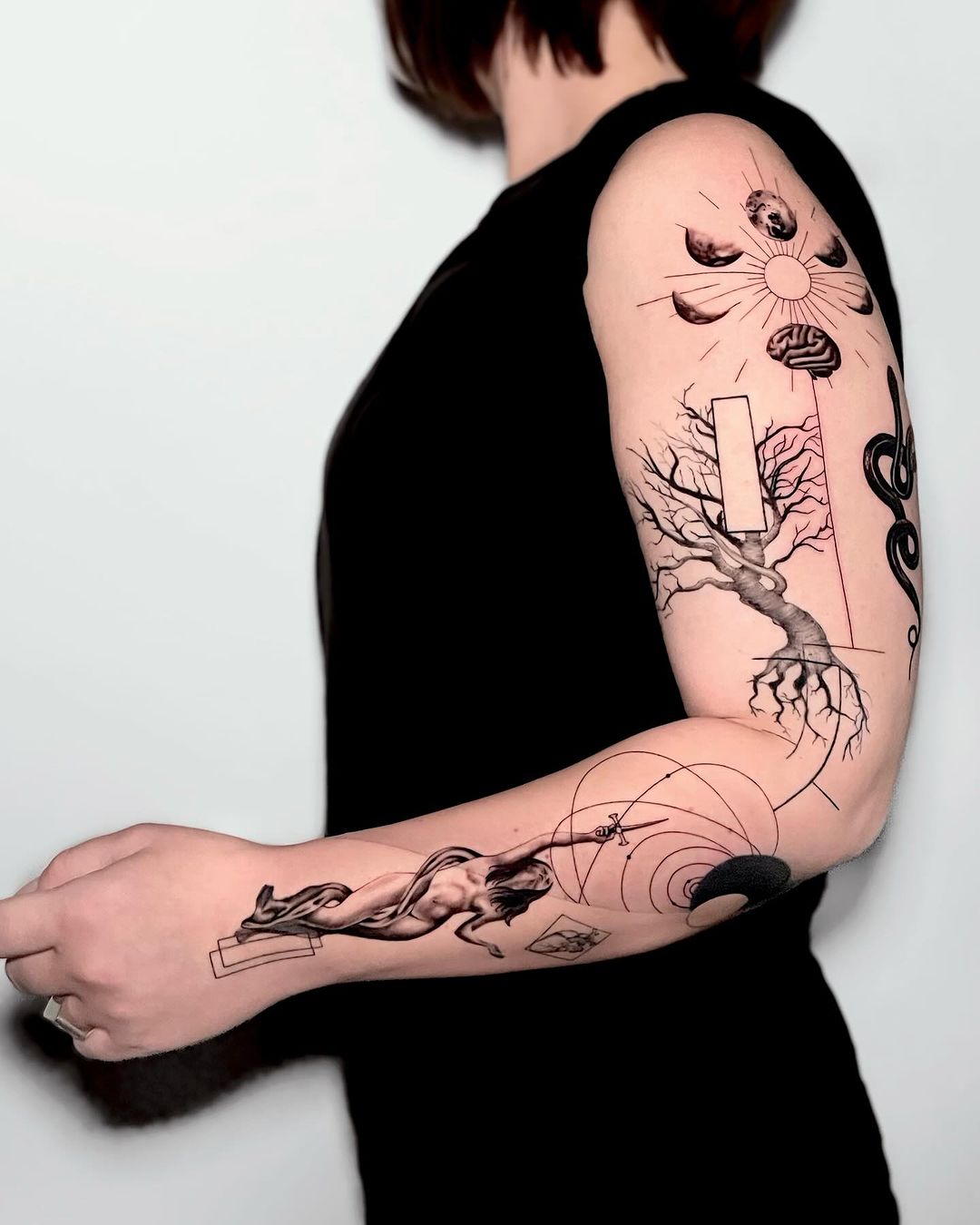
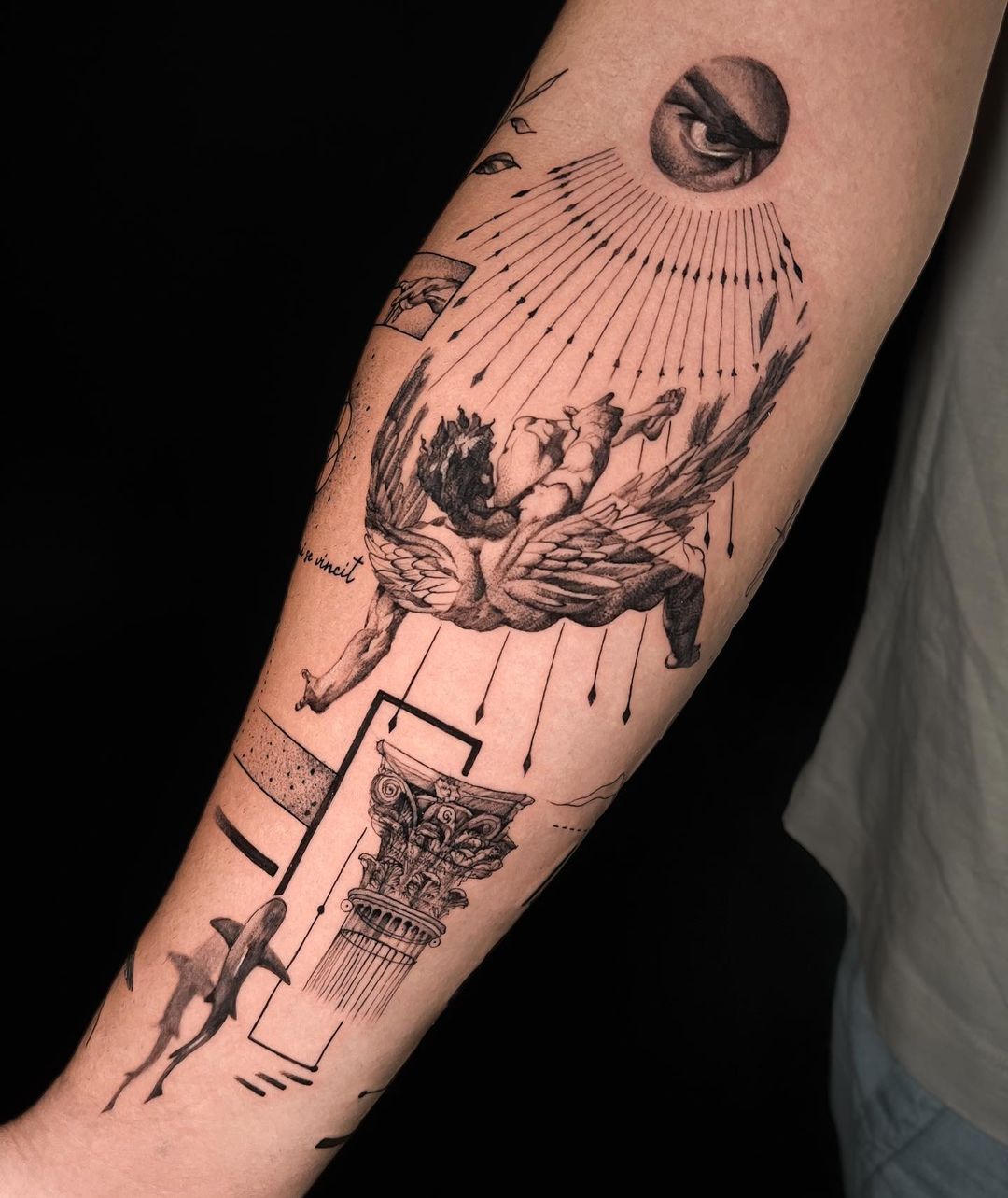
Concept tattoos are a dynamic fusion of traditional artistry and modern tattoo techniques. Unlike conventional tattoos that often consist of simpler shapes or patterns, concept tattoos incorporate intricate details and lifelike imagery. They typically show a unique skill set of fine-line needlework, geometric shapes, and micro realism combined into one seamless design. Concept tattoos rely as much on the negative space in the composition as the actual images themselves, therefore giving the emerging tattoo style a truly unique appearance.
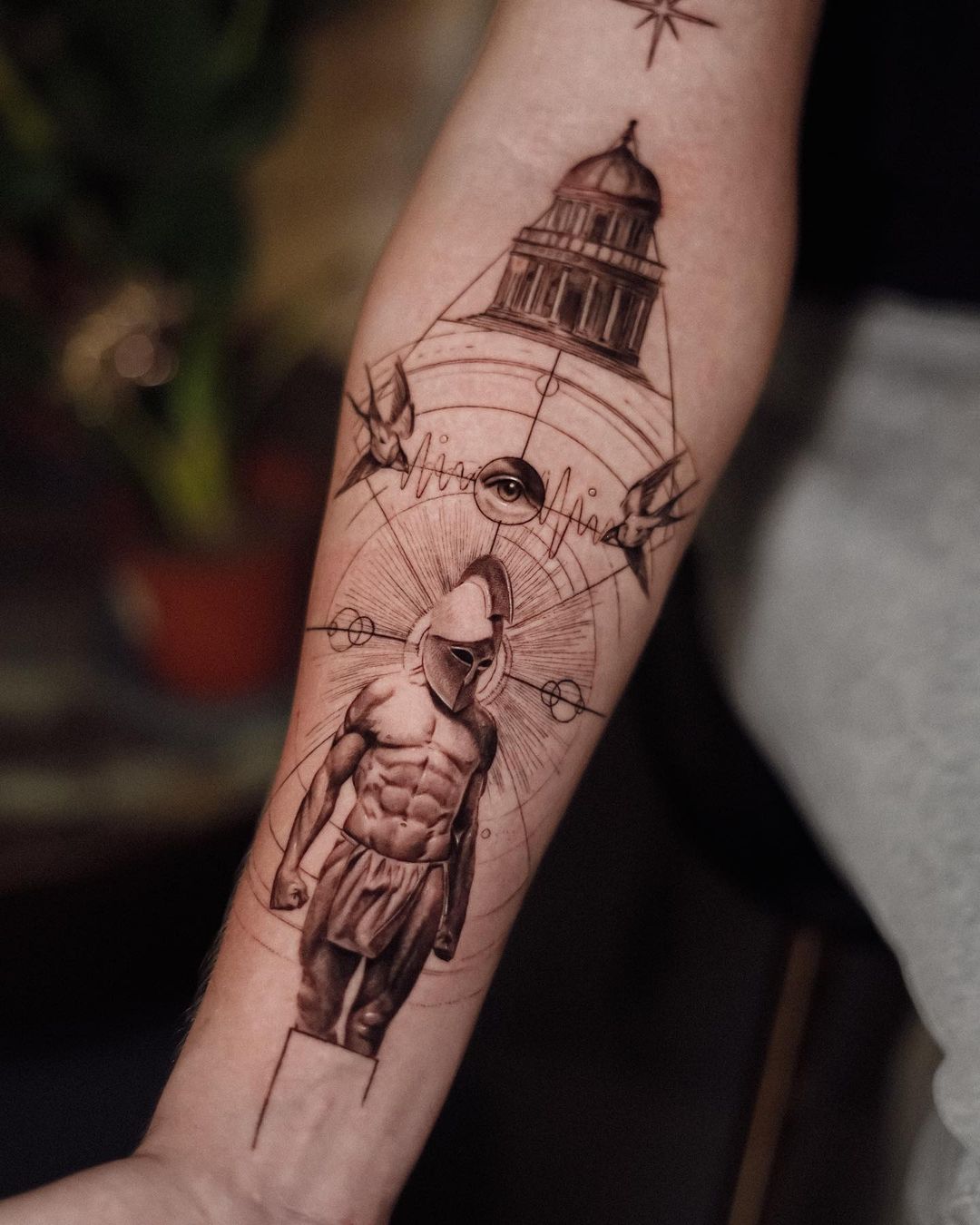
The allure of Concept tattoos lies in their ability to convey stories and emotions on the skin. This unique form of self-expression has gained immense popularity for several reasons:
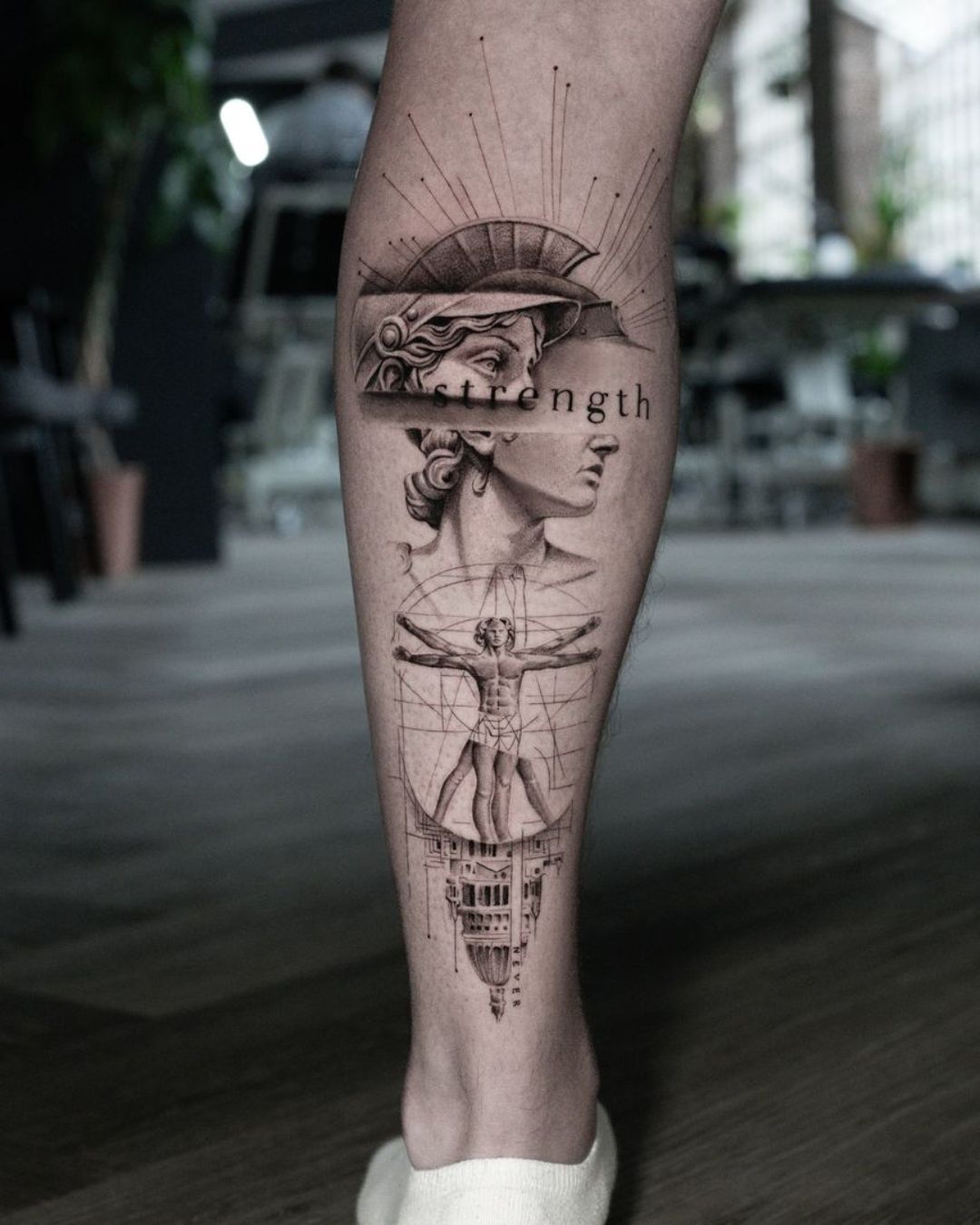
Getting a concept tattoo involves more than just picking a design from a book. It’s a collaborative process between the tattoo artist and the client. The client’s vision, coupled with the artist’s expertise, results in a one-of-a-kind masterpiece. As with all tattoo artists, concept tattoo artists work closely with clients to understand their preferences and ensure the design fits the body’s contours to create a harmonious piece.
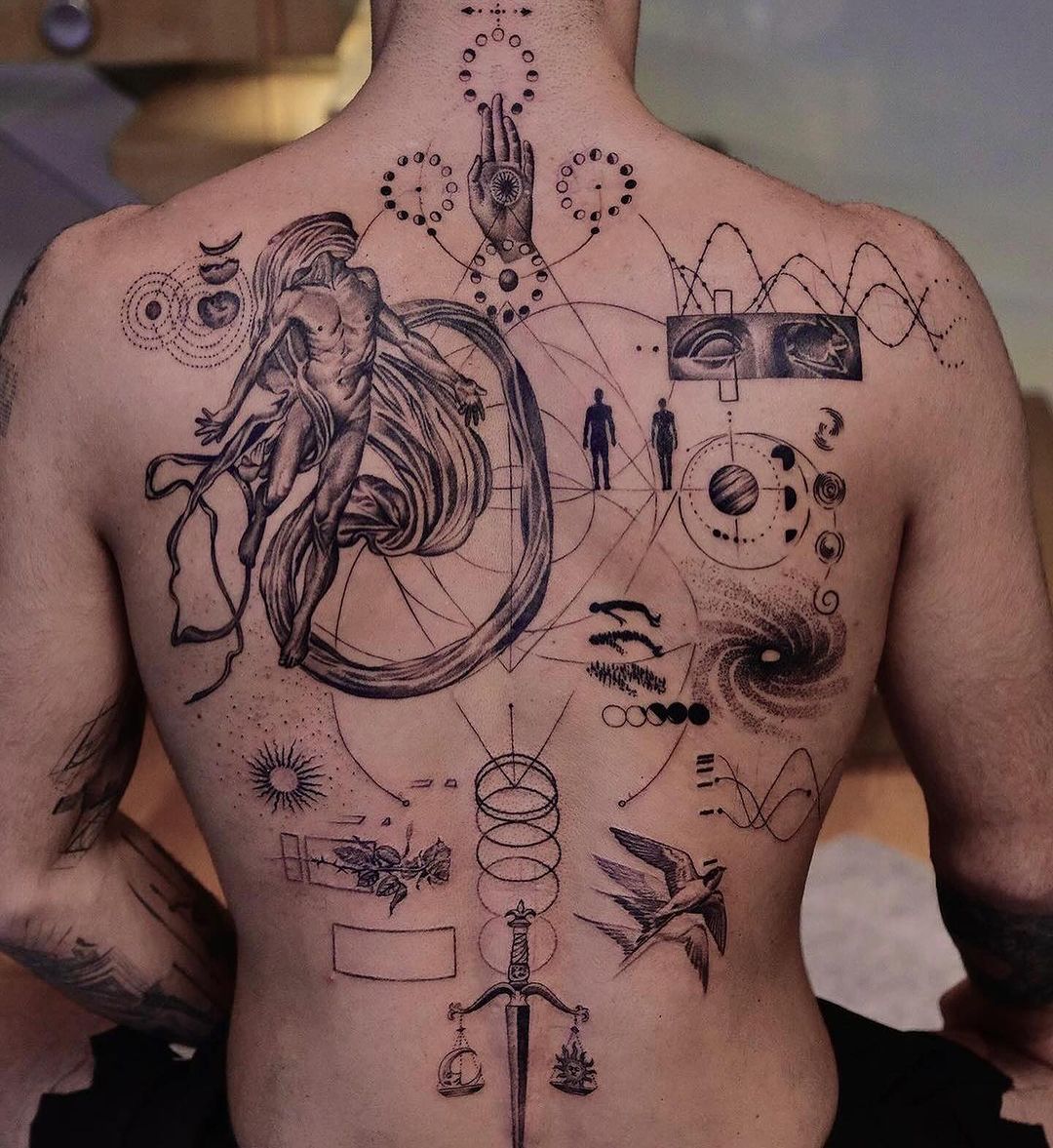
Popular themes for concept tattoos include nature, Greek mythology, classical sculpture, script, and astronomy, though the possibilities are truly endless. Clients often choose concept tattoo designs to tell a story through their body art, as this genre perfectly accommodates intricate and delicate details. These tattoos frequently showcase unparalleled minute detail, making them ideal for those interested in elaborate, ongoing projects. Concept tattoos enable enthusiasts to start small and expand their collections over time, creating seamless designs that evolve with them.
Like any tattoo, taking care of a concept tattoo is crucial to maintain its detail. Proper aftercare includes keeping the tattoo clean, moisturised, and protected from the sun. What’s more, to maintain the finesse of concept tattoos, periodic touch-ups are essential, safeguarding their intricate details and long-lasting allure.
Concept tattoos have ushered in a new era of body art, merging traditional techniques with the world of tattoos. Whether you’re an art lover or simply looking for a unique way to express yourself, concept tattoos offer an exciting avenue for self-expression and creativity. At No Regrets Studios, we have an extensive range of top-tier concept tattoo artists across our studios, if you would like to discuss your ideas, simply fill out our consultation form.